
Compliance
Clean trucks and roadside inspections
There is no regulation that says a truck has to be clean. There are a lot of regulations about things that are hard to see on a dirty one. Here is how a wash program fits into inspections, maintenance and the CSA score.
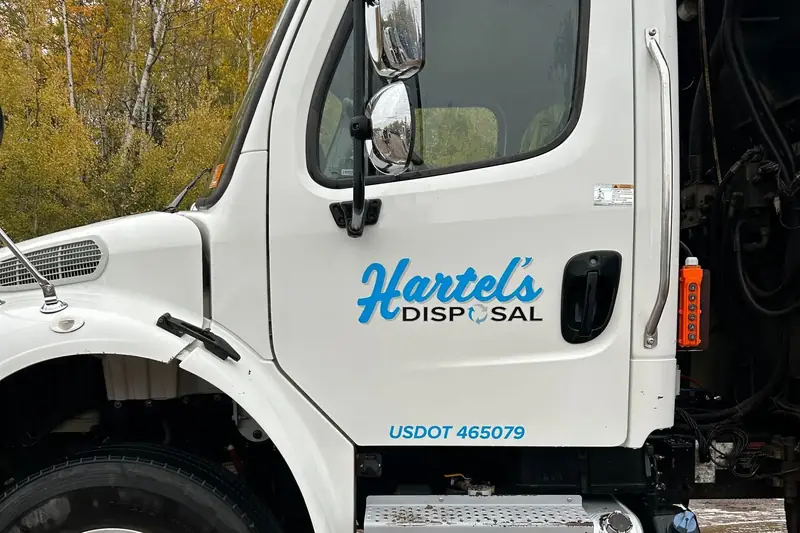
Ask any driver who has been pulled into a scale house what the inspector looked at first and the answer is usually the same: the truck as a whole, before any gauge came out. Officers choose which trucks to inspect, and the choice is made on what they can see from the booth. A clean, maintained-looking truck with legible markings is a lower-probability stop than a filthy one with a USDOT number under a layer of brine. That is not a rule. It is how people work.
What a dirty truck hides
Once a truck is being inspected, dirt becomes a different problem: it hides the defects that would have been fixed in the shop if anyone had seen them. Among the most common out-of-service violations in North American roadside inspections, year after year, are brake and lighting defects, and most of them are visible on a clean truck:
- Oil-soaked brake linings from a leaking hub seal. On a clean wheel end, a leak shows as a wet streak. On a dirty one, it is just more dirt until the inspector pulls the wheel.
- Corroded brake lines and air tank fittings. Brine does this, and a winter's crust hides it.
- Inoperative or obscured lamps and reflectors. A marker lamp under road film is a violation whether it works or not.
- Illegible markings. The USDOT number, the carrier name, placards and the hazmat markings all have to be readable. Road film makes them not.
- Cracked frames and crossmembers. Visible on a washed frame. Not under mud.
Where washing fits in the maintenance program
A wash is not maintenance, but it is the thing that makes maintenance findable. The fleets with the best inspection records that we wash tend to run the same loop: the truck is washed on a weekly route, the driver's pre-trip actually sees the truck, the mechanic's PM is done on a clean unit where a leak or a crack is obvious, and the defects get fixed before an officer finds them. A degrease before the PM on tractors and a hot undercarriage rinse through winter are the two add-ons that do the most for inspections.
The CSA angle
CSA scores are built from the violations found at roadside, weighted by severity and time. Fewer inspections means fewer chances to be written up, and fewer defects on the trucks that are inspected means fewer violations when it happens. Vehicle Maintenance is consistently one of the categories where carriers are flagged most often. A clean fleet does not change the score by itself; it reduces the number of inspections and it lets the shop catch what would have been a violation. Both lower the score over time.
What a wash log is good for
Every unit we wash is logged by number and time. That is primarily for invoicing, but fleets have used the log in two other ways: as evidence of a maintenance culture when a safety audit asks, and to pin down when a defect appeared, because a crew member who washed unit 214 on Tuesday will often have noticed the leak before anyone else.
Three things to do this month
- Walk the yard after a wash and look at the wheel ends. Any wet streak is a seal that needs a look.
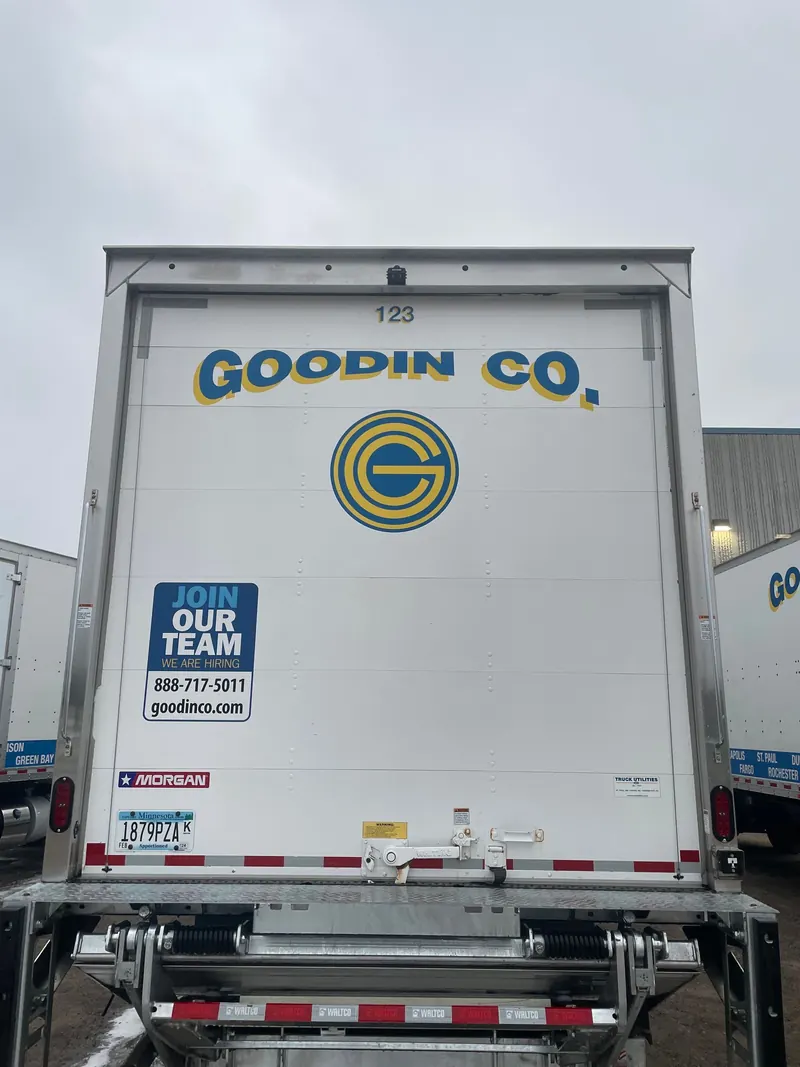
- Check the USDOT number and the markings on every tractor and trailer are legible from 50 feet. Replace the ones that are not.
- Put the tractors on a degrease before their next PM, and ask the mechanic what they found.
Does a clean truck really get stopped less?
Inspectors use their judgment to choose which trucks to inspect, and a truck's overall appearance is part of that judgment. Many officers say so plainly. It is not a guarantee, but it moves the odds.
Can a wash cause a violation?
Only if it is done carelessly: water in a lamp housing, or acid left on a reflector. A brushless two-step done properly and rinsed properly does not. Tell your wash company if you have had a problem and they should fix the process.