
Winter and frequency
How often should a fleet be washed in Minnesota?
The honest answer is "it depends on the month," and in the Northland the month matters more than anywhere else in the country. Here is how we set wash cycles for the fleets we run, and why.
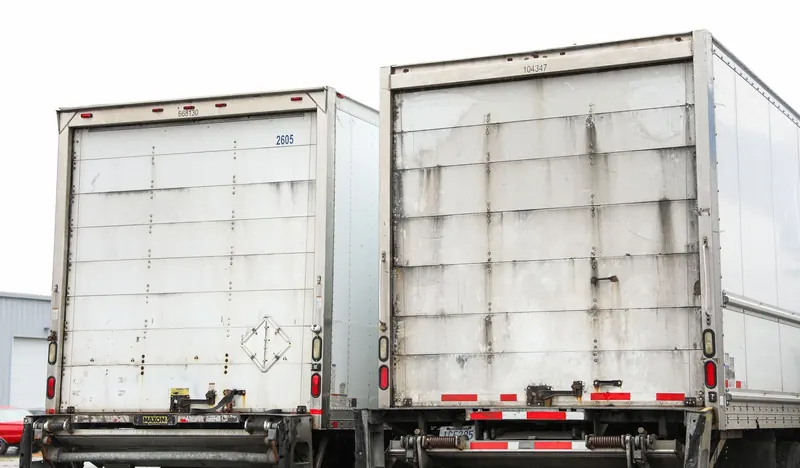
Every fleet manager asks it, and most of the answers online are written for Arizona. A truck running I-35 in January collects more corrosive material in one week than the same truck collects in a Phoenix summer, and the right wash frequency for a Northland fleet has to start from that fact. We wash more than ten thousand units a year across Northern Minnesota and Wisconsin; this is how we set the cycle for each kind of fleet.
The short version
| Fleet | November to April | May to October |
|---|---|---|
| Highway tractors and trailers | Weekly, with undercarriage | Every two weeks |
| Refuse and recycling | Weekly, with undercarriage | Weekly |
| Food and beverage delivery | Weekly | Every two weeks |
| School buses | Every two weeks, undercarriage monthly | Monthly |
| Plow and municipal trucks | Weekly, with undercarriage | Monthly |
| Construction and aggregate | Monthly or parked | Every two weeks in the wet months |
| Yard equipment and plant | Quarterly | Monthly |
Why winter changes everything
MnDOT and the counties treat Northland highways with salt brine before storms and rock salt during them. Brine is a liquid chloride mix that is sprayed on and dries to a film, and that film is hygroscopic: it pulls moisture back out of the air and stays chemically active on steel long after the road looks dry. A trailer that runs Highway 53 or I-35 daily has a continuous layer of it on the frame, the crossmembers, the landing gear and the back doors by the end of the week.
The corrosion that matters is not the rust you can see on a fender. It is the frame rail, the air tank, the brake chamber and the ABS harness, and the rate it happens at is driven by how long chloride is left wet on the metal. What road salt and brine actually do to a truck covers the chemistry. The practical point: a weekly undercarriage rinse through salt season removes the chloride before it has had a week to work. A monthly one leaves it there for three of every four weeks.
Why summer does not mean "stop"
Summer dirt is different: dust, bugs, tar, pollen, diesel soot. It does less structural damage, but it is the season your trucks are seen most, the paint is hottest, and bugs and tar bond to it hardest. Every two weeks keeps a highway fleet looking right and keeps the first wash in November from being a restoration job. Fleets that skip summer entirely pay for it in November, when the first wash of the season takes twice as long and costs more per unit.
Refuse is weekly, all year
A packer collects what it carries. Residue on the hopper lip and the tailgate builds daily, the hydraulics weep onto the frame, and the public sees the truck on the same street at the same time every week. Every refuse fleet we wash is weekly, usually overnight so the trucks go out clean in the morning. Why refuse fleets need a program, not a wash.
Buses: the schedule sets the frequency
A bus fleet is washed in the gap between the morning and afternoon runs, or on the weekend. That limits what is possible: a crew can do a set number of buses in four hours, so a large fleet is washed on a rotation that gets around the yard every two to three visits. Every two weeks in winter with a monthly undercarriage rinse is what most districts settle on; the frame, the steps and the door track are what the salt eats on a bus.
Equipment: before service, before sale, before winter
Yard loaders, excavators and plant are not washed for appearance, so the cycle follows the maintenance calendar: a degrease and wash before each major service so the mechanic can see the leaks, a wash before anything is listed or goes to auction, and a thorough wash before the fleet is parked for the winter so it is not sitting in corrosive mud for five months. In the working season, every two weeks for the dump fleet keeps the fenders legal.
The cost of too seldom
Three things happen when a fleet is washed less than it should be.
- The per-wash price goes up. We price by frequency because a unit washed weekly takes a fraction of the time of one washed monthly. Stretching the cycle to save money usually does not.
- Aluminum goes grey. Rims, tanks and trailer sides oxidise, and once they have, the regular wash no longer brings them back; it takes a brightening pass.
- The frame rusts from the inside. This is the one nobody sees until an inspector does, and it is the expensive one.
How to set your cycle
Start with the table, then adjust for your fleet: how many highway miles per week, whether the trucks park outdoors, how much aluminum is on them, and who sees them. We recommend a cycle with every quote and you can change it at any time; the route adjusts the following week. If you are not sure, start weekly through the first winter and loosen it in May. It is easier to keep a fleet clean than to get it clean.
Is washing weekly in winter really worth the cost?
For anything that runs salted highways daily, yes, by a wide margin. The per-wash price is lowest on a weekly cycle, and the thing it protects, the frame and brake system, is the most expensive part of the truck to replace and the one that puts it out of service.
Can I wash less often if the trucks are parked indoors?
A little. Indoor parking slows corrosion between washes because the brine dries and stays dry. It does not remove it. Every two weeks with undercarriage is a reasonable winter cycle for an indoor fleet.